




Hastings Chrysler Dodge Jeep Ram – Why Real 4×4 Matters on Nebraska Gravel and Winter Drifts — Jeep® SUVs vs Subaru near Grand Island, NE
Everyday driving around Grand Island and Hastings is more than smooth pavement. Hall County drivers navigate strong crosswinds on Highway 281, wind-blown drifts on county roads after a clipper, muddy approaches to Platte River recreation areas, and long stretches of washboard gravel between Aurora and Doniphan. At Hastings Chrysler Dodge Jeep Ram, we speak with shoppers cross-shopping Jeep® SUVs and the Subaru lineup because both promise all-weather confidence. This blog focuses on the real-world Nebraska scenario that decides the difference: mixed-surface control on gravel, slush, mud, and unplowed drives, plus weekend towing to area lakes and campgrounds. Our goal is to outline how each brand approaches traction, stability, towing, and durability, and why our Jeep models generally deliver broader capability for the Plains.
Both brands are respected for traction. Subaru equips most models with Symmetrical All-Wheel Drive and X-Mode for low-traction takeoffs. Jeep builds purpose-designed 4×4 systems with available two-speed transfer cases and low-range gearing on models like Wrangler, Gladiator, and many Grand Cherokee configurations, along with advanced single-speed systems such as Active Drive I 4×4 on Compass for daily confidence. That distinction—AWD tuned primarily for on-road stability versus 4×4 designed for torque multiplication and wheel control—shows up on Nebraska gravel, on rutted field approaches, and on icy, angled driveways after a thaw-refreeze cycle.
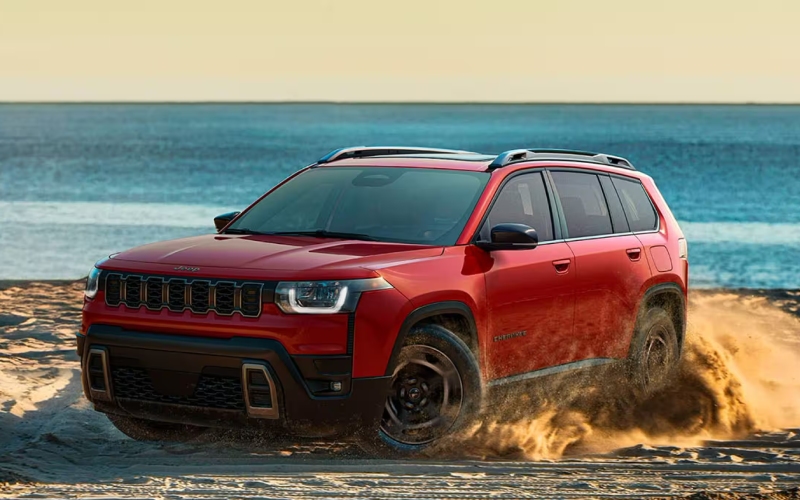
On a crowned gravel road west of Grand Island, the surface constantly shifts under tire contact. Subaru stability control works to keep the vehicle tracking straight, and X-Mode helps curb wheelspin at low speeds. Jeep 4×4 systems add tools beyond traction control: selectable drive modes like Selec-Terrain, available locking differentials, and low-range gearing for steady, no-drama crawl when momentum would otherwise wash the nose wide. The result is calmer steering corrections, less wheel hop, and fewer heart-rate spikes when a surprise patch of marbles appears just before a T-intersection with Highway 30.
Capability details help separate promises from outcomes, so here is a quick, Nebraska-focused snapshot comparing common situations. These are not head-to-head model matchups, but system-level differences you will feel in the conditions our roads present.
- Low-speed control on slick grades: Jeep systems with 4-Low provide torque multiplication and controlled wheel speed for backing a trailer up a snowy driveway or easing down to an icy Platte River boat ramp; Subaru X-Mode provides enhanced traction but does not add a low-range reduction gear.
- Washboards and loose over hardpack: Jeep suspension tuning and available all-terrain tire packages on Trail Rated models maintain contact and composure over chatter; Subaru models remain predictable but can rely more on traction control intervention as the surface degrades.
- Deep ruts and uneven field approaches: Jeep approach/departure angles and articulation on models like Wrangler and Grand Cherokee Trailhawk reduce bumper and underbody strikes; Subaru Wilderness trims add useful clearance but typically offer less wheel travel and breakover room.
- Water, mud, and spring thaws: Trail Rated Jeep SUVs are engineered for water fording and include purposeful underbody protection when so equipped; Subaru platforms add protective elements on Wilderness models but remain tuned first for road use.
- Open-air access and utility: Only Jeep offers removable doors and available open-air roofs on Wrangler and Gladiator, a practical advantage for ranch, land management, or riverbank access in warmer months.
Winter winds along I-80 can turn open stretches into polished ice. Subaru EyeSight Driver Assist Technology brings valuable features like adaptive cruise control and lane centering, and many Jeep SUVs offer advanced driver-assistance suites, including options like Hands-Free Active Driving Assist on the Grand Cherokee, to help reduce fatigue in crosswinds and long commutes. Where Jeep pulls ahead for winter is in the breadth of traction solutions. Selec-Terrain Snow mode optimizes throttle and torque split for slick launches, and available all-terrain tires with more aggressive patterns on Trail Rated trims bite into wind-packed drift edges. On mornings when county plows leave a berm at the end of a driveway, a Jeep with 4-Low simply creeps through without wheelspin drama.
Towing is another deciding factor for Grand Island drivers who haul a small camper to Mormon Island State Recreation Area, move a pair of ATVs, or tow a horse trailer toward Kearney for weekend events. Our 2025 Grand Cherokee is capable of towing up to 6,200 lbs when properly equipped—an advantage that opens up more trailer options without stepping up to a pickup. Subaru Ascent tops out at 5,000 lbs, Outback reaches up to 3,500 lbs on turbo models, and Forester and Crosstrek generally sit lower. Across the Jeep lineup, options like integrated trailer technology and low-range gearing provide the slow-speed control that keeps tires from slipping on a damp ramp or gravel shoulder as the trailer weight transitions.
Powertrain choice and electrification matter, too. Jeep 4xe plug-in hybrid models, including Wrangler 4xe and Grand Cherokee 4xe, bring instant electric torque that helps pull through deep, heavy snow at low speeds and enable quiet early-morning entries to trailheads. Subaru currently emphasizes efficient gasoline BOXER engines across most SUVs in our market. For drivers planning a mix of short in-town trips in Hastings and weekend gravel miles, the ability to charge at home and run on electric power for shorter errands can be a meaningful plus in favor of the Jeep 4xe.
Inside the cabin, both brands deliver thoughtful tech. Subaru STARLINK infotainment is straightforward and widely liked. Jeep Uconnect 5 adds snappy responses, crisp mapping for those county-road cut-throughs, and, on select models, Off-Road Pages that show pitch, roll, transfer case status, and accessory gauges—useful feedback when a minimum-maintenance road gets steep or muddy. On premium trims, available audio upgrades such as McIntosh systems elevate long I-80 trips, and Saturday runs to the farmers market downtown.
Durability also deserves a mention. The constant rattle of washboards can take a toll on suspension bushings, dampers, and alignment. Jeep platforms that carry the Trail Rated badge are validated in categories that matter for Nebraska conditions: traction, water fording, maneuverability, articulation, and ground clearance. Subaru Wilderness trims add real upgrades for rough roads, but the engineering center of gravity remains on-road ride and efficiency. If weekly life includes multiple unpaved miles, the Jeep advantage compounds over seasons.
If you are still deciding where capability meets convenience for your routes around Grand Island, use this short decision framework. It mirrors the questions our team asks in-store so we can recommend the right Jeep for the job.
- How many unpaved miles per week: More than 10 miles per week of gravel or minimum-maintenance driving points toward a Trail Rated Jeep for extra clearance and component robustness.
- Do you tow regularly: A camper, boat, or livestock duty list often fits the Grand Cherokee or Wagoneer family, with Wrangler and Gladiator covering open-air and bed utility needs.
- Home access conditions: Steep, drift-prone, or rutted driveways favor a two-speed Jeep 4×4 system for patient, controlled movement with less wheelspin.
- Fuel and trip mix: Short daily trips with weekend adventures make Wrangler 4xe or Grand Cherokee 4xe compelling, combining electric commuting with off-road range.
When you visit Hastings Chrysler Dodge Jeep Ram, our local team will translate those answers into a test drive that hits the surfaces you actually drive. We maintain an inventory of over 80 new Jeep vehicles in stock, including the rugged Wrangler and the 2025 Grand Cherokee. Our Mopar-trained service department supports real-world ownership with Saturday hours, and our financing team offers straightforward pre-approval to streamline the process. From the first snowy school run to summer towing on county roads, we are ready to help you choose confidently.
To summarize the brand-level comparison for Nebraska’s unique mix of wind, gravel, and winter, consider these takeaways.
- Traction philosophy: Subaru AWD prioritizes on-road stability with helpful X-Mode; Jeep 4×4 adds low-range and locking hardware for controlled torque in the worst conditions.
- Ground contact and geometry: Jeep approach, departure, and breakover angles on Trail Rated models reduce underbody strikes on ruts and drift edges; Subaru Wilderness improves clearance but remains more road-biased.
- Towing headroom: Jeep SUVs, including the 2025 Grand Cherokee, capable of towing up to 6,200 lbs when properly equipped, offer broader trailer options than most Subaru counterparts.
- Electrified options: Jeep 4xe brings silent, instant torque for winter traction and trail access; Subaru SUV electrification options remain limited in current U.S. offerings.
- Open-air and utility: Only Jeep delivers removable doors and available open-air roofs, a unique match for land access, recreation, and warm-weather chores.
If a daily life near Grand Island includes gravel miles, crosswinds, and winter drifts, Jeep delivers the depth of hardware that turns tough days into predictable drives. Stop by our showroom on Osborne Drive East in Hastings to compare systems side-by-side and experience the difference on a route that reflects your routine.
Frequently Asked Questions:
Do I need a Jeep with 4-Low for Nebraska winters near Grand Island?
Not every driver needs 4-Low, but low-range gearing proves valuable for steep, icy driveways, backing trailers on slick surfaces, and easing through drift berms without wheelspin. Many shoppers choose a Trail Rated Jeep for that extra control and peace of mind.
Can Subaru X-Mode match a Jeep two-speed transfer case on gravel and mud?
X-Mode effectively manages traction and throttle at low speeds, and it helps on light off-pavement use. A Jeep two-speed transfer case adds torque multiplication that keeps wheel speed calm in deeper ruts and on washboards, which reduces slip and increases control.
Which Jeep SUV fits gravel and towing for area lakes while staying family-friendly?
Grand Cherokee balances daily comfort with capability and is capable of towing up to 6,200 lbs when properly equipped. That mix suits families who split time between school runs in Hastings and weekend trips with a camper or boat.
Are Jeep 4xe models practical for short commutes in Hastings during winter?
Yes. Wrangler 4xe and Grand Cherokee 4xe can run on electric power for short trips and deliver instant torque that helps pull away smoothly on slick mornings. Many owners enjoy quiet, early starts and reduced gas station visits during the week.
Which Jeep should I test drive if most of my miles are on gravel county roads?
Start with Compass Trailhawk for compact agility, then consider Wrangler for maximum articulation and open-air flexibility, or Grand Cherokee Trailhawk for a refined ride with serious 4×4 tools. Our team can tailor a route with gravel, stop signs, and wind-prone stretches to showcase differences.
Ready to feel how Jeep systems handle Nebraska’s mixed surfaces? Visit Hastings Chrysler Dodge Jeep Ram near Grand Island for a personalized comparison drive, straightforward financing pre-approval, and long-term support from our Mopar-certified service team.
Request more information
Connect with us


- Chrysler Dealer
- Chrysler Dodge Jeep RAM Dealer
- Chrysler Pacifica
- Dodge Charger
- Dodge Dealer
- Dodge Durango
- Jeep
- Jeep Cherokee
- Jeep Compass
- Jeep Dealer
- Jeep Gladiator
- Jeep Grand Cherokee
- Jeep Grand Cherokee 4xe
- Jeep Grand Cherokee L
- Jeep Grand Wagoneer
- Jeep Grand Wagoneer L
- Jeep Wrangler
- RAM 1500
- RAM 2500
- RAM Dealer
- Used Dealer
- Wagoneer